

Edible Wild Spring Plants: A Guide & Easy Ideas
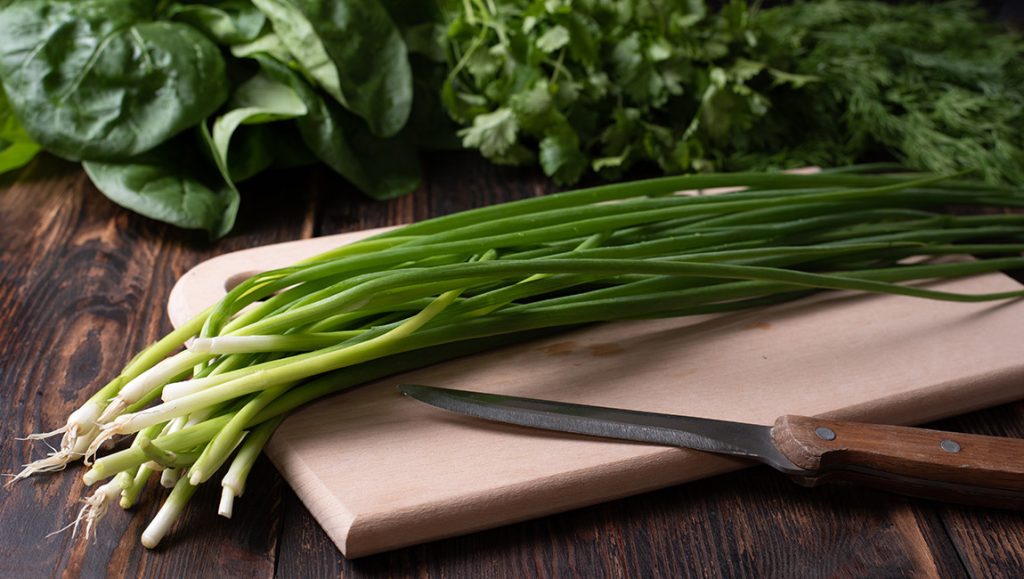
Wild garlic, chives, dandelion, nettle and young Swiss chard are some of the first plants that make spring feel real in the kitchen. That is why edible wild spring plants become such an appealing topic as soon as the season shifts and meals start feeling lighter, fresher and greener. When we talk about edible wild spring plants, we mean plants that grow naturally without being intentionally planted and are traditionally used in cooking when they are young and tender. What makes them so appealing is that they do not have to mean difficult cooking or overly rustic recipes. Very often, edible wild spring plants work best in simple everyday dishes – eggs, salads, spreads, soups, pies and warm sides. Use only what you can confidently identify.
Wild garlic (ramsons)
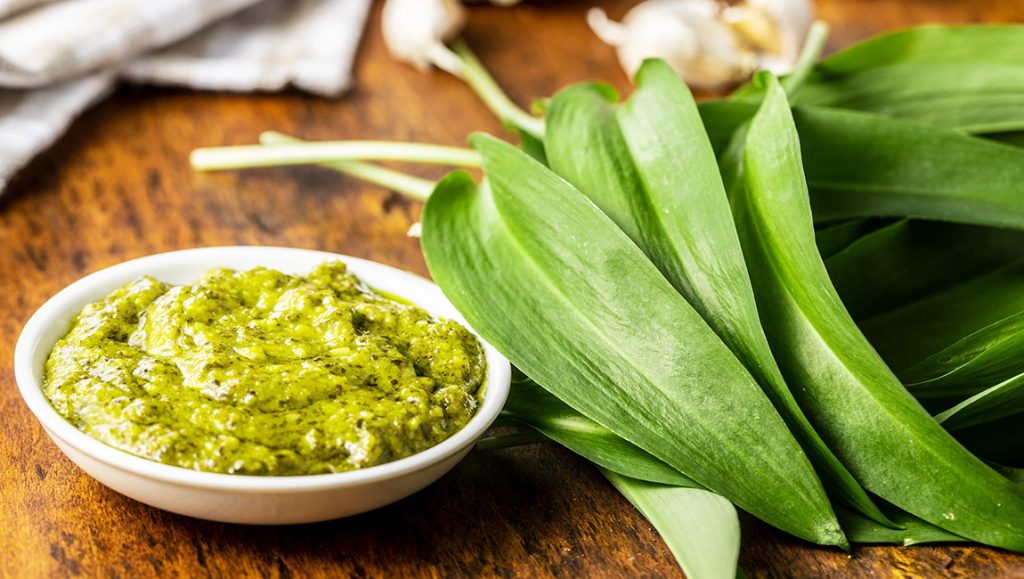
When people think about edible wild spring plants, wild garlic (ramsons) is often one of the first that comes to mind. It is known as wild garlic because of its fresh garlic aroma, but its flavour is usually greener, softer and less sharp than regular garlic. That makes it especially useful in everyday cooking because it adds character without overwhelming a dish. In spring cooking, wild garlic often sits somewhere between an herb and a main ingredient: it can be subtle, but it can also carry a whole recipe.
One of the best things about wild garlic is how little work it needs. You can chop it into scrambled eggs, stir it into cream cheese, fold it into soups, add it to rice dishes or use it as a finishing touch over potatoes or roasted vegetables. In that sense, edible wild spring plants do not have to feel old-fashioned or hard to approach. Wild garlic fits perfectly well into quick, modern, everyday food.
A soft wild garlic spread is one of the easiest ways to use it. Cream cheese or fresh cheese, a drizzle of olive oil, a little salt and finely chopped leaves are often all you need. Spread it on toast, serve it with crackers or use it inside a sandwich. It is simple, seasonal and genuinely practical.
Another very natural option is wild garlic pesto. It does not have to be a classic, textbook pesto every time. It can be rougher, looser and completely based on what you already have in the kitchen. Wild garlic, olive oil, a little cheese, seeds or nuts, and a squeeze of lemon can turn into a quick green sauce for pasta, roasted vegetables, potatoes or bread. This is exactly where edible wild spring plants really prove their value: they are not just interesting ingredients, they are flexible ones.
Wild garlic also works beautifully with mild ingredients. Eggs, yogurt-based sauces, soft cheeses, potatoes and simple doughs all allow its flavour to come through in a balanced way. You do not need a large amount, either. Sometimes a handful of leaves is enough to make a familiar dish feel like spring. That is why wild garlic remains one of the strongest examples of how edible wild spring plants can become part of everyday meals without much effort.
Chives
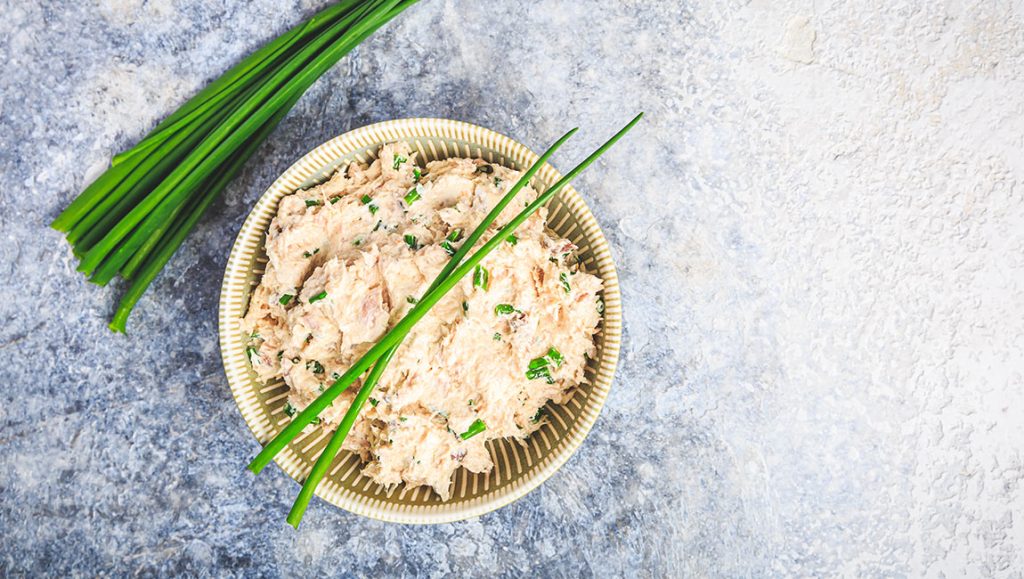
Chives may not seem dramatic, but they are one of the most useful spring herbs in the kitchen. When you want to bring edible wild spring plants into everyday cooking without changing your habits too much, chives are one of the easiest ways to start. Their thin green stems have a fresh, mild onion flavour that feels light, clean and very easy to pair with familiar food.
What makes chives especially practical is that they do not need much cooking. In most cases, they are best added at the end, just before serving. That helps preserve their freshness and delicate flavour. Chives are a good reminder that edible wild spring plants do not always need a dedicated recipe. Sometimes they simply make an everyday dish taste brighter and more seasonal.
The easiest use is probably with eggs. A scattering of chopped chives over scrambled eggs or an omelette can instantly make breakfast feel fresher. Chives are also excellent in soft cheese spreads, yogurt dips, creamy toppings, potato dishes and simple salads. They act almost like a gentler version of spring onion – present, but never too strong.
They also work well with boiled or roasted potatoes, especially with olive oil or butter. In soups, chives are best seen as a finishing herb rather than something you simmer for a long time. That way their flavour stays fresh and clean. In a wider article about edible wild spring plants, chives matter because they show that spring greens do not always have to be bold or unusual. Sometimes the most useful plant is the one that slips into your routine almost unnoticed.
Dandelion
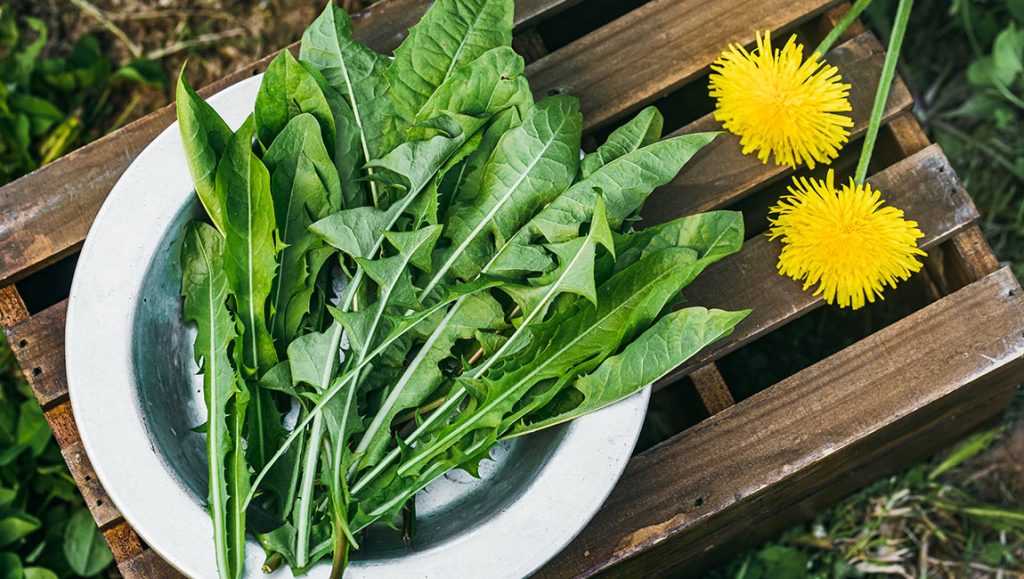
Dandelion has a special place in any discussion of edible wild spring plants because it is both very familiar and often overlooked in the kitchen. Many people associate it with fields and roadsides, but young dandelion leaves have long been part of seasonal salads and simple spring dishes. Their flavour is different from soft lettuces: fresher, more assertive and slightly bitter. That bitterness is exactly what can make them so interesting when used well.
The key is to use young leaves. They are more tender and easier to balance in a salad, especially when paired with ingredients that soften or round out the bitterness. Boiled potatoes, eggs, mild cheese, olive oil and lemon juice or vinegar all work especially well. In combinations like that, dandelion does not feel harsh – it feels lively and structured. That is why it deserves a clear place in an article about edible wild spring plants, not just as a curiosity, but as a realistic seasonal ingredient.
If you want the flavour to feel gentler, mix dandelion with milder salad leaves. It does not have to carry the whole bowl on its own. A well-seasoned dressing also helps. Salt, lemon juice, vinegar and even a touch of mustard can make the greens feel more balanced and easier to enjoy.
Dandelion adds something that many spring greens do not: a little tension and depth. It is appealing because it reminds us that spring cooking does not always have to taste soft and mild. A gentle bitterness can be exactly what gives a plate balance.
You do not need to use it often or in large quantities for it to be useful. A single salad, or a mix of dandelion with other leaves, is often enough to make it feel worth trying. It brings variety, and variety is part of what makes spring cooking exciting in the first place.
Nettle
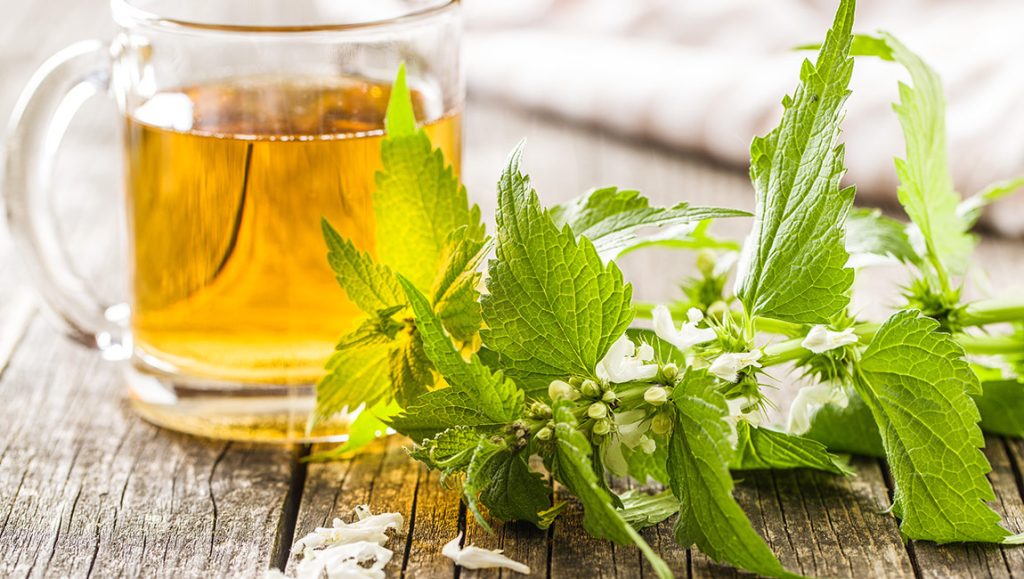
Nettle is probably the plant most strongly linked to one practical question: how do you actually cook it? That is exactly why it matters in a guide to edible wild spring plants. Everyone knows nettles sting, but fewer people realise how useful they can be in the kitchen once properly prepared. The most important thing to know is how to prepare nettles (blanching) so they stop stinging. The answer is simple: a brief blanch or short cooking time takes care of the stinging hairs and makes them ready to use.
Once you know how to o that, nettles become much less intimidating. That is why it helps to say clearly – and more than once – that how to prepare nettles (blanching) is not complicated. After a short blanch, you can drain them, chop them and use them much like other leafy greens.
Nettles are excellent in spring soups. Potatoes, onions and a little cream or yogurt can turn them into a soft, simple bowl of food that still feels very seasonal. They also work beautifully in savoury pies, especially with cheese, and in warm fillings or stews. In that sense, edible wild spring plants are not just about salads and light meals. They can also become part of proper, comforting lunches and dinners.
Nettles pair well with potatoes, rice and soft cheeses, and once blanched they are surprisingly easy to handle. That is worth stressing because people often think nettles are difficult when really the only barrier is uncertainty. After the first try, they usually start to feel much more approachable.
Young Swiss Chard
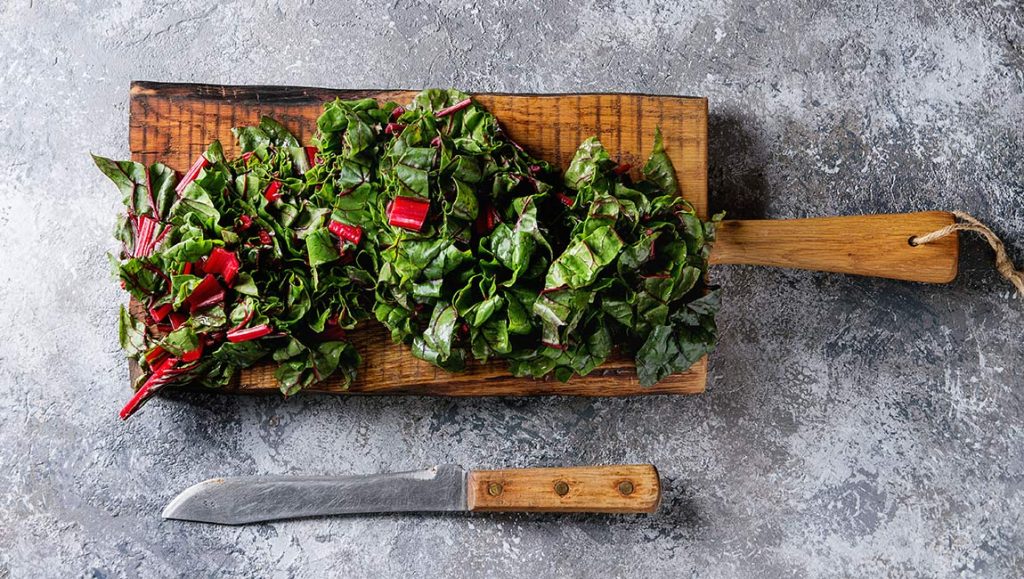
Young Swiss chard may be the most approachable green in this guide because it is mild, easy to cook and naturally fits into dishes people already make. Even though it may not feel as “wild” as wild garlic or nettles, it still belongs comfortably in a spring article like this because it shows how seasonal greens can become part of ordinary meals without much effort.
Its main strength is tenderness. When Swiss chard is young, the stems are thinner, the leaves are softer and the flavour is gentler. That means it does not need much to taste good. Olive oil, garlic and boiled potatoes are often enough. This is exactly where edible wild spring plants and seasonal spring greens make the most sense: they do not need to become elaborate recipes in order to feel worthwhile.
Young Swiss chard is also excellent in savoury pies. It can be used on its own or combined with cheese, spring onion or other greens. It gives those dishes a homey, seasonal feel without becoming heavy. It also pairs naturally with fish. Lightly cooked and finished with olive oil and lemon, it makes a simple and balanced side for baked or grilled fish.
If you want the easiest possible starting point, begin with the classic pairing of Swiss chard and potatoes. It is one of those dishes that proves spring greens do not need much to be satisfying. A few basic ingredients are often enough for young Swiss chard to show why it belongs on a spring menu.
How to bring wild spring plants into everyday meals without overthinking it
When people read about edible wild spring plants, it can sound like a whole new style of cooking. In reality, the easiest way to use them is to work them into meals you already know and like. You do not need a separate seasonal menu – just a few small adjustments.
- Stir chopped wild garlic into cream cheese for a quick spring spread.
- Use wild garlic pesto with pasta, roasted vegetables or warm bread.
- Scatter chives over scrambled eggs just before serving.
- Fold chopped chives into yogurt dips or soft cheese spreads.
- Mix young dandelion leaves with milder greens for a more balanced salad.
- Blanch nettles and add them to soup, pie fillings or a simple stew.
- Serve young Swiss chard with potatoes and olive oil as an easy side.
- Add Swiss chard or nettles to savoury pie fillings.
- Use wild garlic as a finishing green over grains, rice or roasted vegetables.
- Build a simple spring board with cheese, a wild garlic spread and warm bread.
FAQ
What are the most common edible wild spring plants?
Some of the most common edible wild spring plants include wild garlic, chives, dandelion, nettle and other young spring greens traditionally used in seasonal cooking. They are popular because they bring freshness and character to simple meals.
How do you use wild garlic in everyday cooking?
Wild garlic works well in scrambled eggs, spreads, pesto, salads and warm dishes. It is especially useful when you want a quick spring flavour without a lot of preparation.
How do you prepare nettles so they don’t sting?
The easiest way is to blanch or briefly cook them. That removes the stinging hairs and makes nettles ready for soup, pie fillings or stews.
How do you make dandelion greens less bitter?
Use younger leaves and pair them with potatoes, eggs or mild cheese. A good dressing with lemon juice or vinegar and a little salt can also help balance the bitterness.
What’s the easiest dish to make with young Swiss chard?
One of the easiest options is young Swiss chard with potatoes, olive oil and a little garlic. It can be a light meal on its own or a side dish with fish.
Should you add chives at the end or while cooking?
In most cases, it is better to add chives at the end or just before serving. That helps keep their fresh, mild flavour.
What should you try first if you are new to wild spring greens?
Chives and wild garlic are often the easiest starting point because they fit naturally into food you already cook. After that, nettles, dandelion and young Swiss chard can be added more gradually.
Are nettles difficult to cook with?
Not really. The main thing is knowing how to prepare nettles so they do not sting. Once blanched, they behave much like other leafy greens.
Spring is the perfect time to bring more greens, freshness and seasonal rhythm into everyday cooking. Wild garlic, chives, dandelion, nettle and young Swiss chard show just how practical, flavourful and inspiring edible wild spring plants can be when used in familiar meals. Start with one easy dish, try one new spread, salad or side, and see which of these spring plants earns a regular place in your kitchen.