

When to Use Fresh and When to Use Dried Herbs
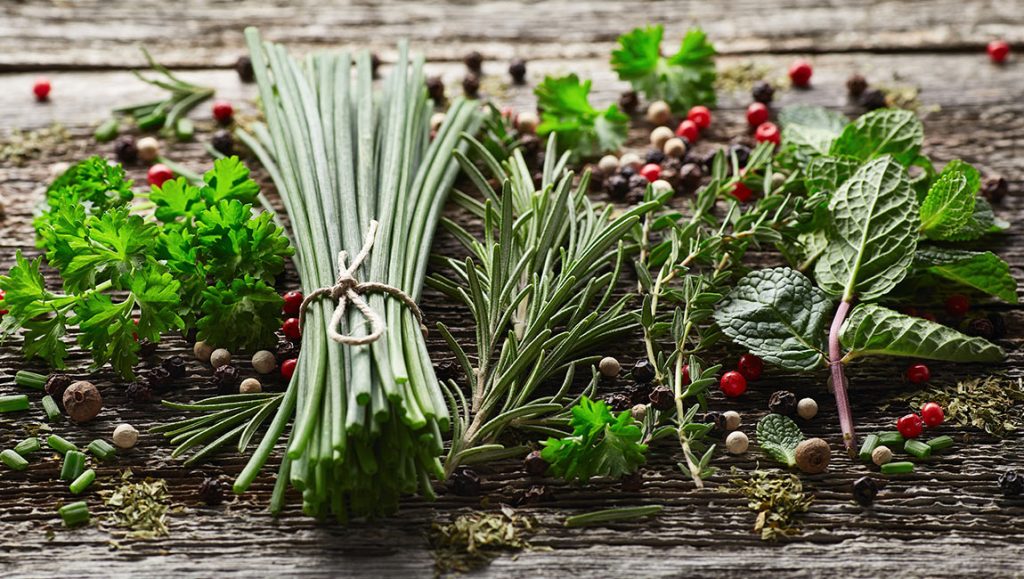
Herbs have a direct influence on the flavour of a dish and the way its aroma develops during cooking. Although fresh and dried herbs come from the same plant, their role in the kitchen is not the same. The difference is not only in their scent, but also in the moment they are added.
Time as a key factor
Dried herbs have a more concentrated aroma. During the drying process, they lose moisture but retain essential oils, which makes their scent stronger and longer-lasting. These herbs need time and perform best in dishes that are cooked or simmered slowly, where their aroma has space to gradually develop.
Fresh herbs offer a completely different experience. Their aroma is light, green and fresh, but sensitive to high temperatures. When added too early, they quickly lose both colour and fragrance, which is why they are most often used toward the end of cooking or just before serving.
Parsley – a difference you can easily taste
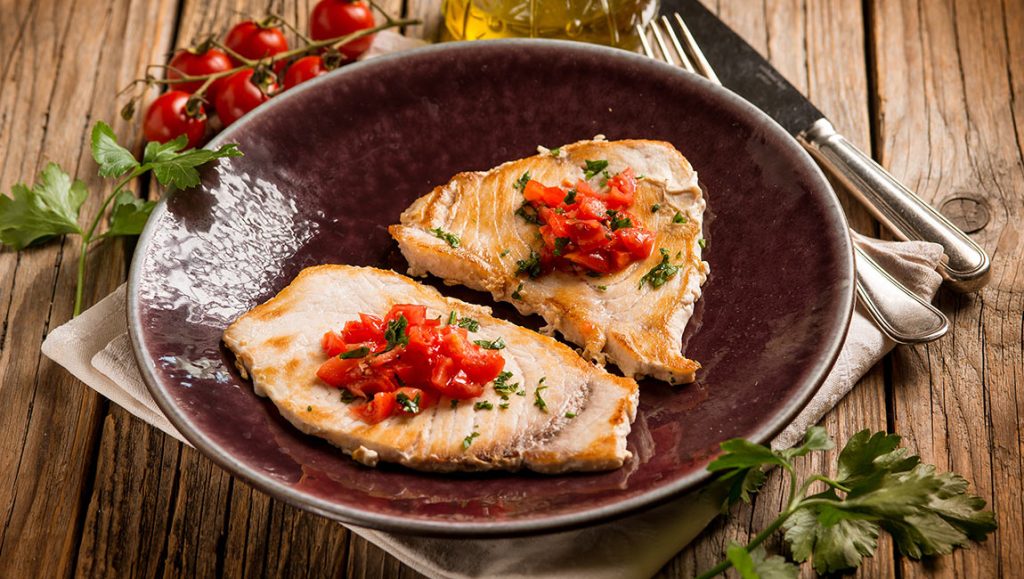
Fresh parsley brings freshness and a gentle herbal note to a dish. It is most often added at the end, sprinkled over cooked vegetables, pasta, fish or potatoes. Dried parsley, on the other hand, is used during cooking, in soups, stews and sauces, where it has enough time to release its aroma.
Delicate basil
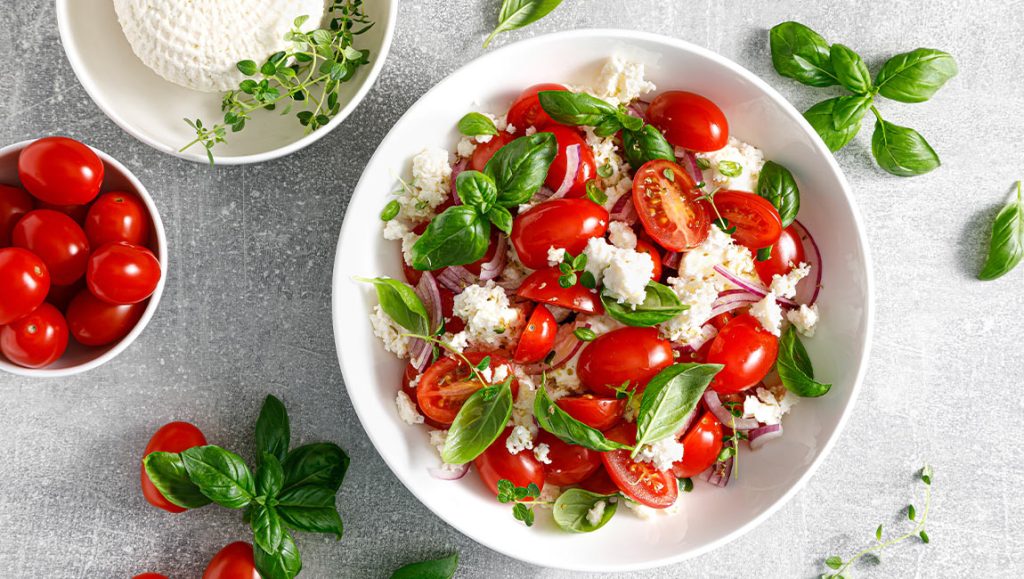
Fresh basil is known for its distinctive aroma and shines best in dishes that are not cooked for long – salads, pasta dishes and meals with tomatoes. Dried basil has a milder scent and is used in dishes that cook slowly, such as sauces and stews, where fresh leaves would not retain their freshness or intensity.
Oregano with two completely different roles

Fresh oregano has a pronounced herbal note and is often used in Mediterranean dishes toward the end of preparation. Dried oregano is much stronger and more recognizable, which is why it is commonly found on pizzas, in tomato sauces and baked dishes. It is this version that creates the familiar aroma associated with Italian cuisine.
Thyme – an herb that loves heat
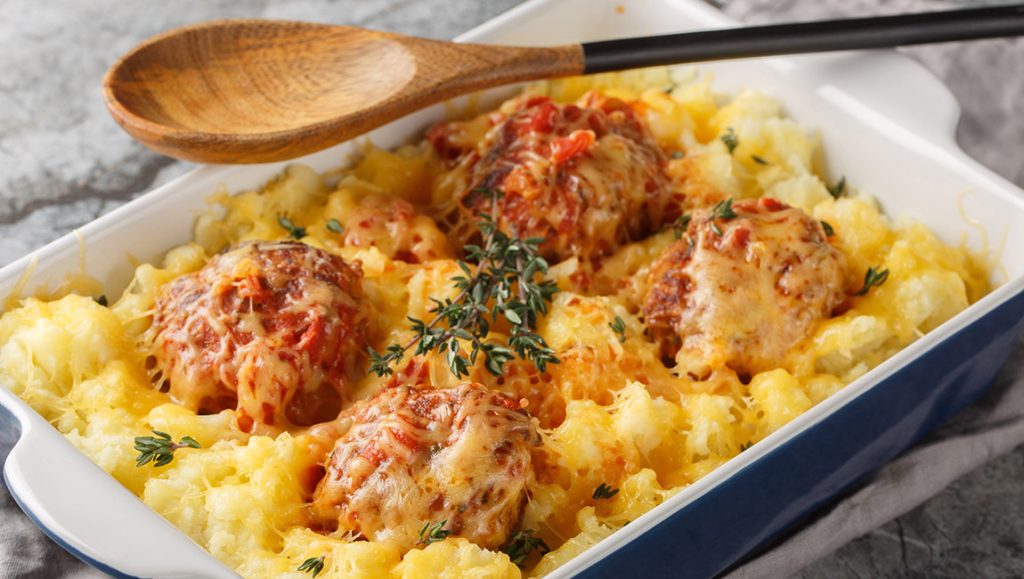
Thyme is one of the few herbs that tolerates high temperatures well. Both fresh and dried thyme can be used during cooking, but the dried version is more intense and needed in smaller amounts. It works especially well in dishes with meat, potatoes and roasted vegetables, where its aroma develops gradually.
Cooking often comes down to intuition and attention to small details. Choosing the right ingredient at the right moment is what brings balance to a dish and helps familiar favourites turn out just a little better every time!