
Pecorino Romano, a True Delicacy in the World of Cheese
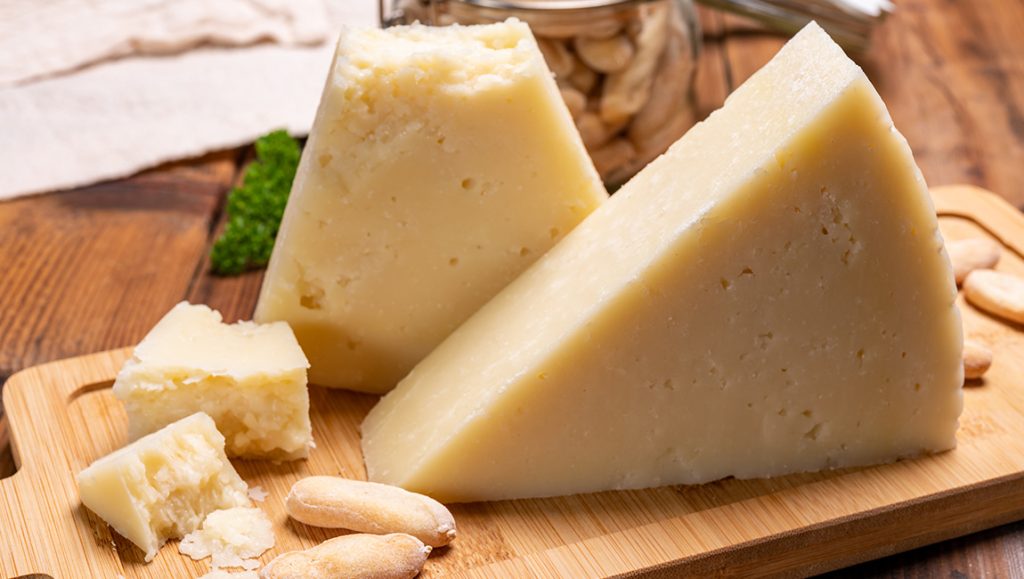
There is a cheese that carries within it the spirit of Rome, the taste of the sea, and the strength of the winds from the Sardinian hills – that cheese is Pecorino Romano. This renowned Italian cheese, produced for over two millennia, is still made today in much the same way as in ancient times, and it proudly bears the label of protected designation of origin (PDO). It was once a vital part of the Roman legionnaires’ diet. Its name derives from the word pecora (sheep), as it is made exclusively from sheep’s milk.
What sets this cheese apart from other pecorinos (such as Toscano or Sardo) is its pronounced saltiness and piquancy. It is aged for a minimum of five months, and up to a year for stronger varieties. Its texture is hard and crumbly, with a color ranging from pale yellow to ivory. The aroma is strong and full-bodied, while the taste leaves a long-lasting, intense impression.
A Sweet-Savory Duet with a Glass of Wine
Pecorino pairs wonderfully with antipasti platters. You can combine it with beef prosciutto, olives, sun-dried tomatoes, and artichokes. For a touch of freshness, add grapes, while figs can bring balance to your sweet-savory plate.
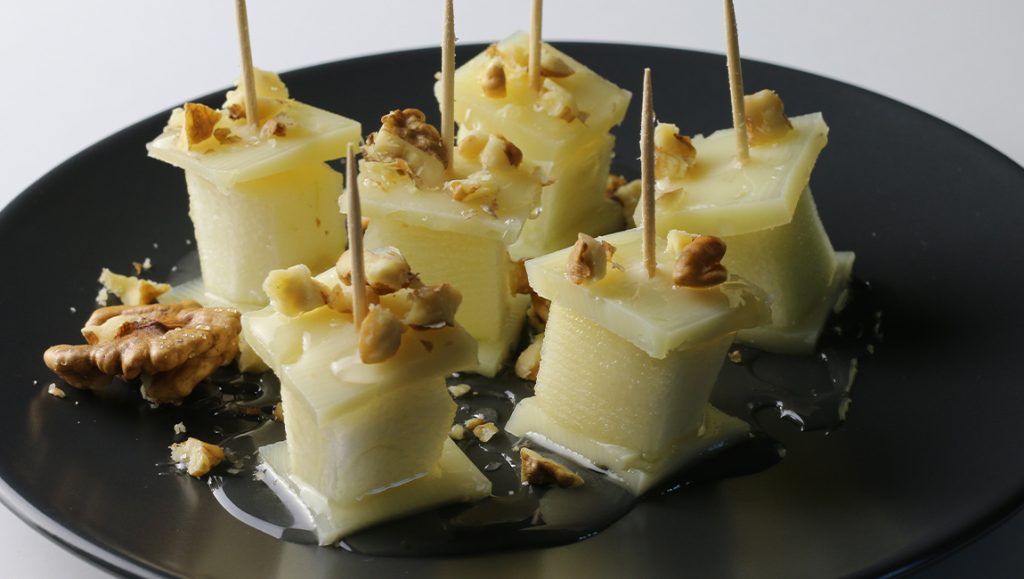
Try serving it as a small bite alongside a glass of red wine such as Chianti or Nero d’Avola: thin slices of Pecorino, a drop of honey, a piece of fresh pear, and a few walnuts. This combination of textures and flavors creates the perfect finger food.
Chianti, originating from Tuscany, offers acidity and fruity notes of cherry and plum that refresh the palate and balance the richness of the cheese, while its mild tannins enhance Pecorino’s spiciness. Nero d’Avola, on the other hand, brings the warmth of Sicily, with a full body and tones of dark fruit, spices, and chocolate. These layers of flavor complement Pecorino and highlight its nutty aroma.
The Secret Ingredient in Classic Italian Dishes
In pasta dishes such as Cacio e Pepe, Carbonara, or Amatriciana, Pecorino is strong enough to enrich the sauce without overpowering it. It can also be grated over roasted vegetables or salads, and it is typically added at the end of preparation.